Villa and house rewiring
House rewiring in Herne Bay
House rewiring in Herne Bay is mostly villa work: replacing the cables, switches and sockets of a house built a century or more ago so that it copes with the way a family lives in it now. We survey first, plan the new circuits with you, disturb as little of the original house as we can, and test and certify the work when it is done.
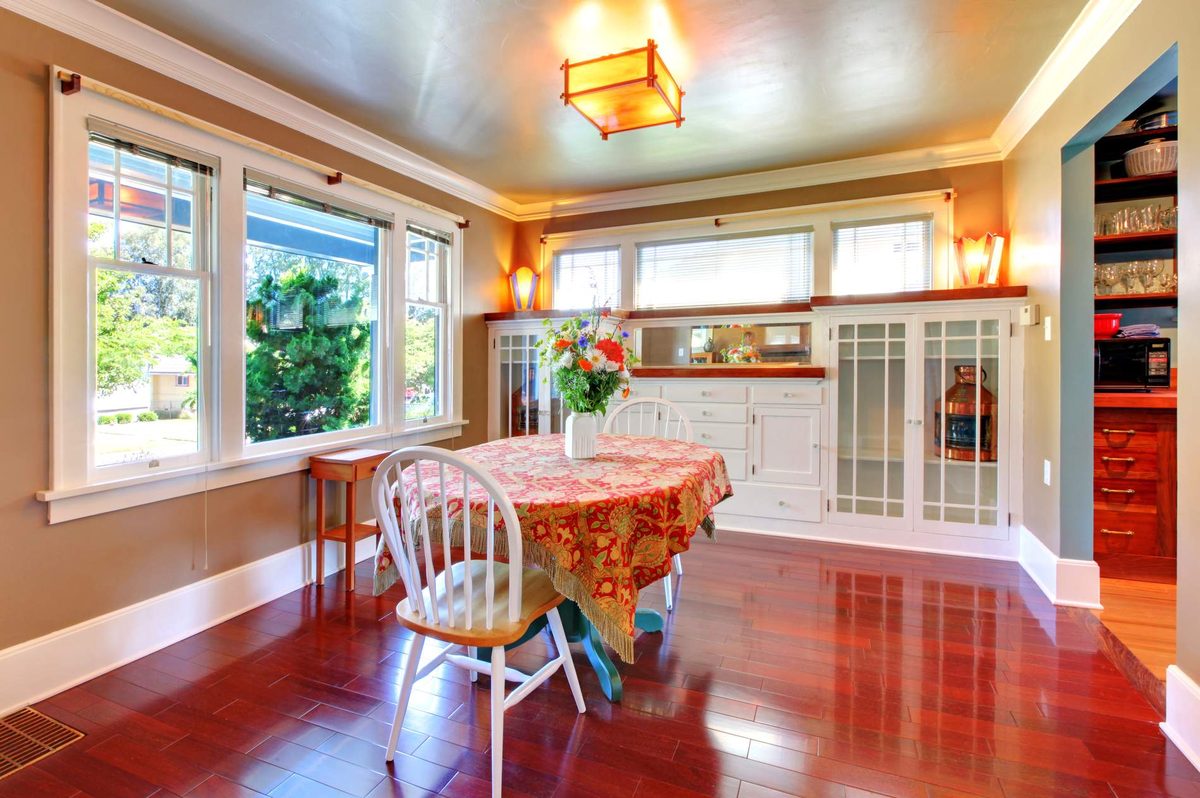
Why rewiring comes up so often in Herne Bay
Herne Bay was built quickly. Auckland Council's character statements describe the suburb booming with villa building between the 1890s and the 1910s, the avenues south of Jervois Road filled with villas by the end of the Edwardian era, and the large early sections on the slopes later cut into smaller, still generous sites. Between 1881 and 1921, nine houses in ten in Auckland City were built of timber. Many of those houses are still standing, lived in and loved, and that is exactly why rewiring is such a common job here.
A house designed when a home might run a few lights now has to carry a kitchen full of appliances, a heat pump or two, home offices and chargers in every room. Over the decades most older houses have had circuits added, extended and patched by different people, so what is behind the walls is rarely one system. Some of it may be fine. Some of it may be well past its working life. A rewire replaces the lot with one tidy, documented installation, usually alongside a new switchboard with modern circuit protection.
Signs your wiring is due for a look
None of these proves a house needs rewiring on its own, but each one is a good reason to have an electrician test the installation:
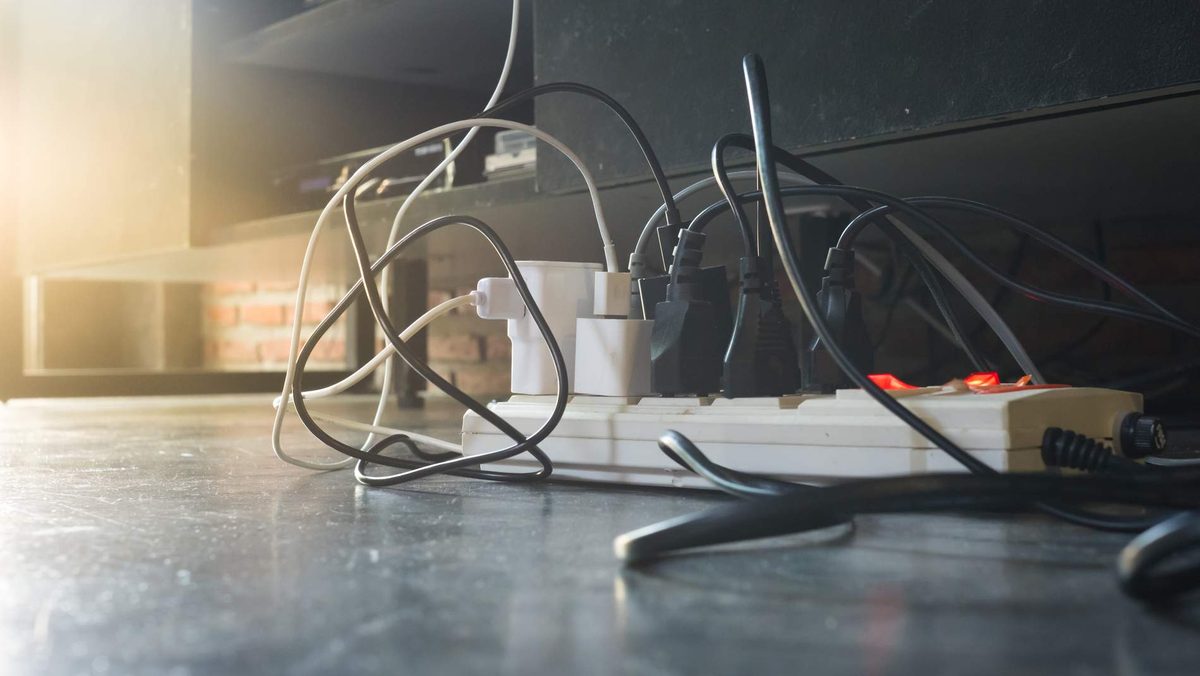
- power boards and double adaptors in most rooms, because there are only one or two sockets
- fuses that blow or breakers that trip more than once in a while
- lights that dim or flicker when something else switches on
- switches or sockets that feel warm, crackle, or look scorched or discoloured
- a faint hot or burning smell near a fitting or the switchboard
- you are buying an older house and nobody can show you certificates for work done on it
If any of these is happening right now, especially heat, scorching or a burning smell, treat it as urgent and call our 24/7 emergency electricians rather than waiting for a quote.
How a rewire runs
Survey and test
We look at the switchboard, lift a few cover plates, check the ceiling space and under the floor where there is access, and test the existing circuits so the plan is based on what is really there.
Plan the circuits with you
Room by room, we agree where sockets, switches and lights should go, which appliances need their own circuits, and whether to add data points or new lighting while the cables are being replaced anyway.
Run the new cabling
Where there is room under the floor and in the ceiling space, new cables can usually reach each room with only small openings in the walls, which keeps damage to old linings and timber to a minimum.
Connect and change over
New circuits are connected at the board and the old ones disconnected, so the house is never left with two half-systems running side by side.
Test and certify
Every circuit is tested before it is handed over, and you receive the certification that applies to the work.
Certificates and inspections
A rewire is fixed wiring work, so when it is finished you get a Certificate of Compliance. As WorkSafe's guide to getting electrical work done explains, that certificate records that the work meets New Zealand's electrical safety standards and has been tested, and it is the document an insurer or a buyer's solicitor may ask for later. Keep it with the house papers.
Rewiring the circuits inside a house is what the Electrical Workers Registration Board calls general prescribed electrical work, which does not need an inspection. Mains work is different. Installing or connecting the mains at the main switchboard, or working on the main earth, is high-risk work that has to be inspected by a licensed electrical inspector, although repairing a damaged mains fitting like for like is not. When a rewire includes high-risk work, we arrange the inspector for you and you receive the inspection record along with the certificate.
Rewiring a character house without losing its character
Parts of Herne Bay are in the Unitary Plan's special character overlay, whose policies favour maintenance and repair over the loss of original fabric. A rewire is work inside the house rather than an external alteration, but we treat the house the same way the plan does. We look for cable routes that avoid cutting into old plaster or timber linings, keep original ceiling roses and decorative features where you want them kept, and agree in advance where any new switch plate or socket will sit, so it looks like it belongs in the room.
A rewire is also the easiest moment to think about the outside of the house. If you would like lights on the verandah, the steps or the garden, running those circuits now saves opening things up again later; our page on garden and outdoor lighting covers what is involved.
Rewiring questions
Can we stay in the house during a rewire?
Often, yes. Planning the work room by room means part of the house can keep its power while another part is being done. How practical that is depends on the size of the house and the access under the floor and in the ceiling, which the survey will show.
Do you rewire apartments and flats as well as villas?
Yes. We rewire houses, apartments and flats, and commercial premises too. In an apartment building the access and any body corporate rules shape the plan, so tell us about those when you get in touch.
How long does a villa rewire take, and what does it cost?
Both depend on the size of the house, the access and how many circuits you want, so we will not guess before seeing it. After the survey we can set out the scope, the order of work and the price for your house.
Do you rewire part of a house, or only the whole thing?
Either. Sometimes testing shows that only some circuits need replacing, for example in the oldest part of a house that has been extended. In that case a partial rewire can be the sensible answer, and we will show you what the tests found.
Will I need a new switchboard as well?
Not always, but it is common. If the existing board has no room for the new circuits or lacks modern protection, it makes sense to replace it as part of the same job.
Book a wiring survey
Call 021 156 4005 or send us a few details about the house, and we will arrange a time to look at the wiring.
Other electrical services in Herne Bay
Switchboard Upgrades
A modern board with circuit breakers and RCD protection in place of an old fuse board, with the inspection arranged where the work needs one.LED and Interior Lighting
Pendants, wall lights and insulation-rated LED downlights, planned around how each room is used.Garden and Outdoor Lighting
Lighting for decks, steps, paths and gardens, with fittings chosen for life near the harbour.Heat Pump Installation
Wiring, isolating switches and outdoor units placed with sea air and the look of the house in mind.Alarms and CCTV
Alarm systems, security cameras and sensor lights installed and wired for houses and businesses.24/7 Emergency Electrician
Fault finding and urgent repairs any hour of the day or night, every day of the week.Enquiries
Contact us
Call 021 156 4005 at any hour of the day or night, or leave the details below and we will get back to you.
021 156 4005- Auckland
- Call-outs 24 hours a day, 7 days a week